
In the fast-paced digital landscape, the perception of immediacy in support access can significantly shape user satisfaction and trust. Users expect problems to be acknowledged and resolved promptly, and the way support systems are structured plays a crucial role in delivering this expectation. Immediate support is not solely about speed; it is also about clarity, reliability, and the seamless alignment of user expectations with platform capabilities. When users feel that help is instantly available, even before a problem escalates, it strengthens their confidence in the platform and encourages continued engagement.
A critical factor in creating a sense of immediate support is the availability of multiple, well-integrated channels. Modern platforms often deploy a combination of live chat, AI-driven assistants, detailed knowledge bases, and callback services. Each channel caters to different user preferences and urgency levels. For example, live chat provides real-time interaction for users who require direct guidance, while AI assistants can instantly respond to common queries, offering rapid solutions without human intervention. By strategically designing these channels to complement each other, platforms can ensure that users feel supported at all times, even during peak usage hours.
The design of the support interface itself is another essential component. Users should not have to navigate complex menus or search extensively to find the help they need. Streamlined, intuitive interfaces reduce friction and convey a sense of immediate accessibility. Context-aware support features, such as tooltips, pop-up guidance, and in-app prompts, can anticipate user difficulties and provide assistance before the user actively seeks it. This proactive approach not only reduces user frustration but also reinforces the perception that the platform is responsive and attentive to individual needs.
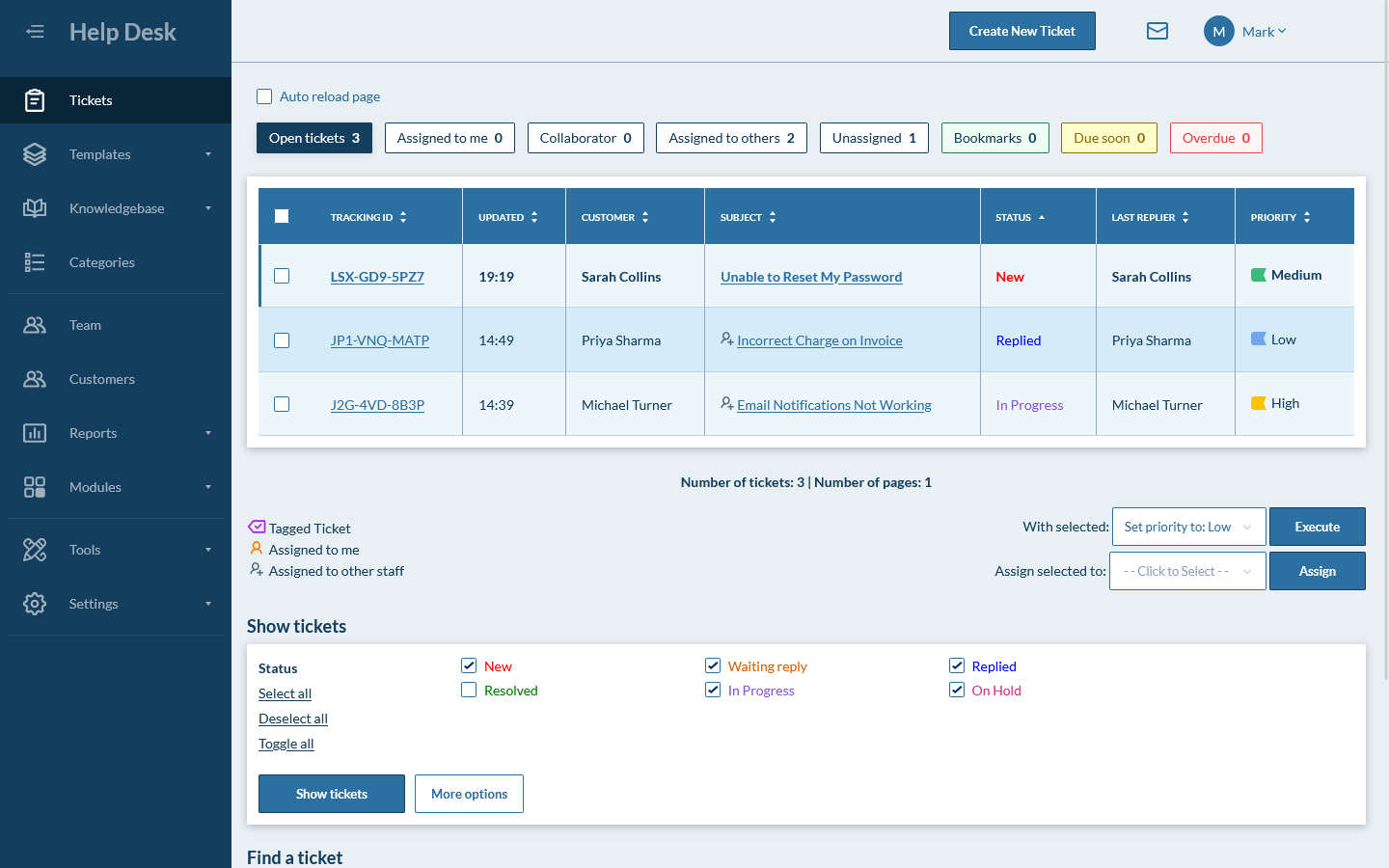
Response time is, of course, a measurable aspect of perceived immediacy. Even a well-designed support system can fail if users experience significant delays in receiving assistance. Therefore, platforms must balance efficiency with accuracy, ensuring that responses are both quick and meaningful. Techniques such as pre-emptive messaging, automated ticket acknowledgment, and estimated wait times help manage user expectations while maintaining a sense of urgency and attentiveness. Users are more likely to remain calm and satisfied when they understand the process and see that their concerns are being actively addressed.
Beyond structural elements, the human aspect of support plays a pivotal role. Empathetic, knowledgeable support staff who can communicate clearly and provide personalized guidance enhance the sense of immediacy. Users notice when interactions feel scripted or impersonal, which can undermine the perception of promptness even if responses are technically fast. Training support teams to recognize user frustration, anticipate follow-up questions, and provide concise yet comprehensive guidance ensures that the interaction feels both immediate and genuine.
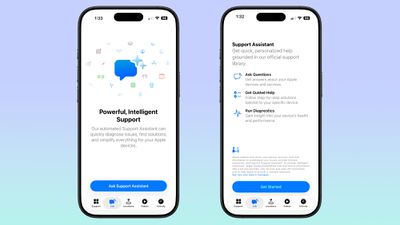
Technological solutions such as AI and machine learning have transformed expectations for support immediacy. AI-driven assistants can analyze user behavior, detect potential issues, and deliver context-sensitive solutions in real time. These systems can also route complex queries to human agents efficiently, ensuring that users receive the appropriate level of attention without unnecessary delay. By leveraging predictive analytics, platforms can preemptively address common problems, creating a support experience that feels instant and responsive even before a user articulates the need.
The integration of feedback loops is another strategy to enhance perceived immediacy. Allowing users to rate support interactions and provide comments enables continuous improvement and ensures that response mechanisms evolve with user expectations. Platforms that actively incorporate feedback demonstrate responsiveness not just in individual interactions but in the broader evolution of the support ecosystem. This ongoing refinement strengthens user trust and conveys a commitment to providing immediate, high-quality assistance.
Accessibility considerations further influence the sense of immediacy. Users with varying levels of digital literacy, disabilities, or language preferences may experience delays in finding effective support if the system is not inclusive. Implementing features like multilingual support, screen-reader compatibility, and clear visual hierarchies ensures that all users can access assistance without unnecessary effort. When support feels universally reachable, the perception of immediacy extends across diverse user groups, reinforcing the platform’s reliability and care.
A critical, yet often overlooked, dimension is the alignment of support with the user’s mental and emotional state. Platforms that provide reassurance, clear instructions, and visible indicators of ongoing assistance reduce anxiety and create a sense of immediate safety. Even when an issue cannot be resolved instantly, transparent communication, estimated timelines, and follow-up mechanisms convey attentiveness and maintain user confidence. This psychological perception of immediacy is just as impactful as actual response times.
Ultimately, creating support access that feels immediate is a multi-faceted challenge requiring strategic integration of technology, human interaction, interface design, and psychological insight. Platforms that succeed in this endeavor foster a user experience that is seamless, reassuring, and highly responsive. Users are not merely reacting to the speed of support; they are responding to a coherent system that anticipates their needs, minimizes friction, and provides clear, trustworthy guidance at every stage. By prioritizing the perception of immediacy, platforms strengthen engagement, loyalty, and overall satisfaction, ensuring that users feel valued and supported no matter when or how they encounter challenges.
This approach to support transcends transactional interactions, positioning the platform as a partner in the user journey rather than a reactive service. It cultivates an environment where users trust that their concerns are addressed promptly, accurately, and empathetically. In a digital age defined by instant gratification, the perception of immediate support is no longer optional—it is a critical component of user retention, platform credibility, and long-term success.


Leave a Reply