
In the modern landscape of digital gambling, creating an environment that encourages responsible play is no longer optional—it is central to sustainable platform design. Responsible play features must be embedded seamlessly into the user experience, not simply appended as afterthoughts. By integrating these tools intuitively, platforms can support players in maintaining control over their behavior while ensuring that engagement remains both enjoyable and safe. A well-designed responsible play system achieves this by being both proactive and reactive, offering assistance before problematic patterns arise and providing clear guidance when users require intervention.
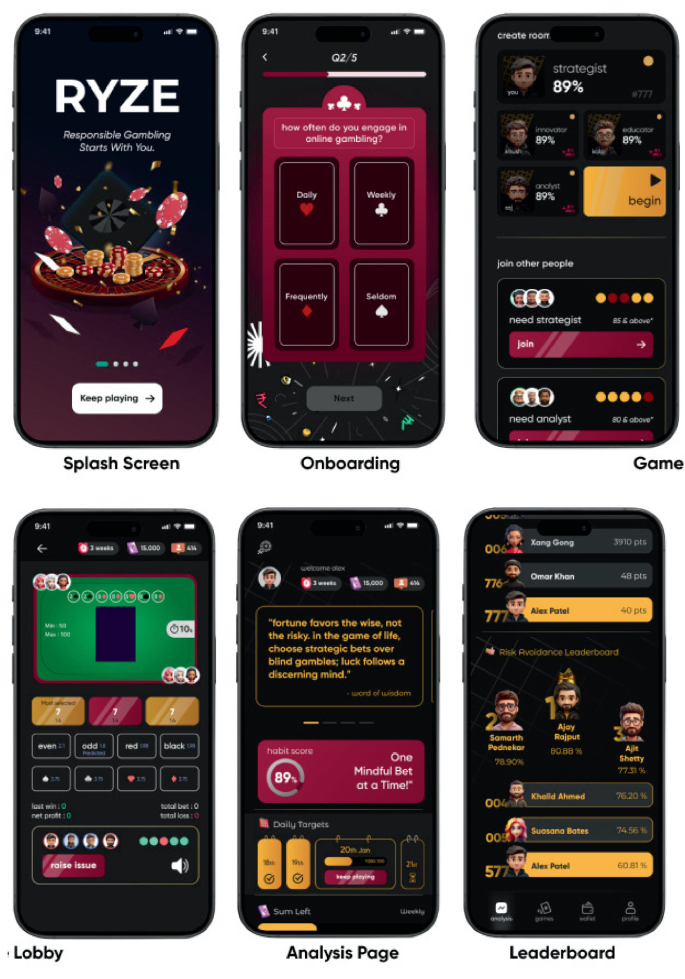
One of the primary pillars of seamless responsible play is transparent self-assessment. Users should have access to clear, non-judgmental tools that help them understand their gambling habits. These can include dashboards that display spending, session duration, and frequency of play, all in a visually digestible format. When data is presented in real time, it empowers players to make informed decisions about their gaming activity. Moreover, offering contextual guidance alongside these metrics—such as suggesting a short break after extended play or highlighting a series of high-risk bets—reinforces awareness without feeling intrusive.
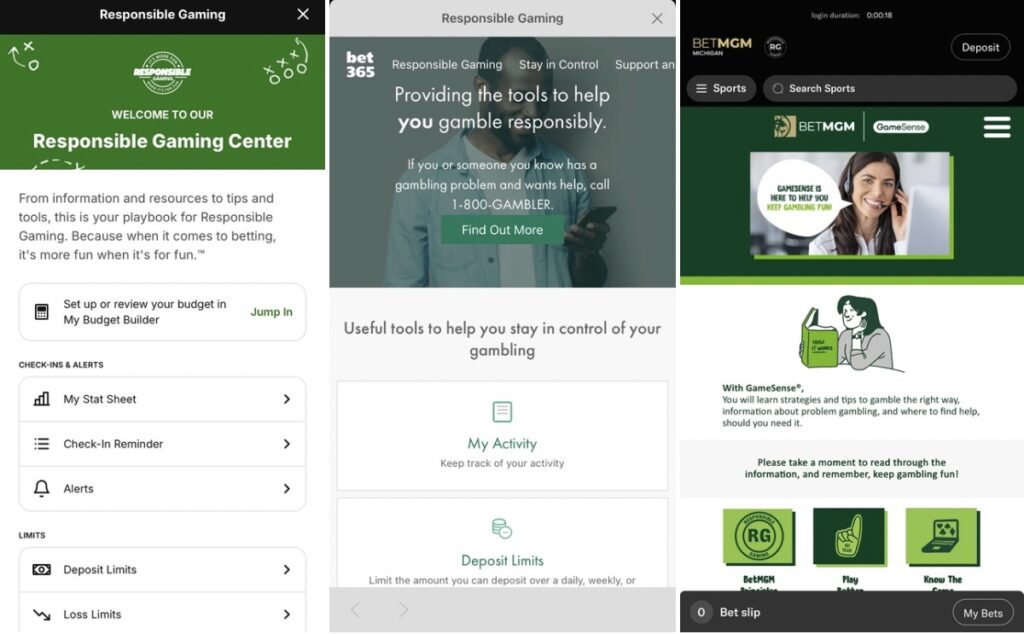
Another critical component is the implementation of customizable limits. Rather than imposing rigid caps, platforms can allow users to define personal thresholds for deposits, losses, wagers, or session lengths. These limits should be easy to adjust but include protective mechanisms, such as mandatory cooling-off periods for lowering limits or time-delayed increases, ensuring that decisions are thoughtful rather than impulsive. Integration of these features directly into the gameplay flow is essential. If setting or reviewing limits requires navigating away from the game environment, users are less likely to engage with the tools. Embedding limit controls within the main interface, accessible in just a few clicks, normalizes responsible behavior as part of the overall experience.
Notifications and gentle nudges form another layer of proactive responsible play design. Subtle prompts during extended sessions or after consecutive losses can encourage self-reflection without breaking immersion. For example, a well-timed message that reminds a user of their preset limit or the amount of time spent can be more effective than a mandatory interruption. The tone of these notifications is crucial—they must communicate concern and guidance rather than punishment. By carefully balancing timing and messaging, platforms can maintain engagement while promoting reflection and informed choices.
Tools for temporary or permanent self-exclusion are also an essential element. Seamless integration means that users can initiate breaks from play directly from the main interface without navigating through complex menus. The process should be quick, clear, and reinforced with supportive messaging that emphasizes personal well-being over any notion of restriction. Providing a range of exclusion durations—from hours to months—offers flexibility to suit different needs. Additionally, ensuring that self-exclusion procedures are reversible only under controlled conditions prevents impulsive decisions from undermining their protective intent.
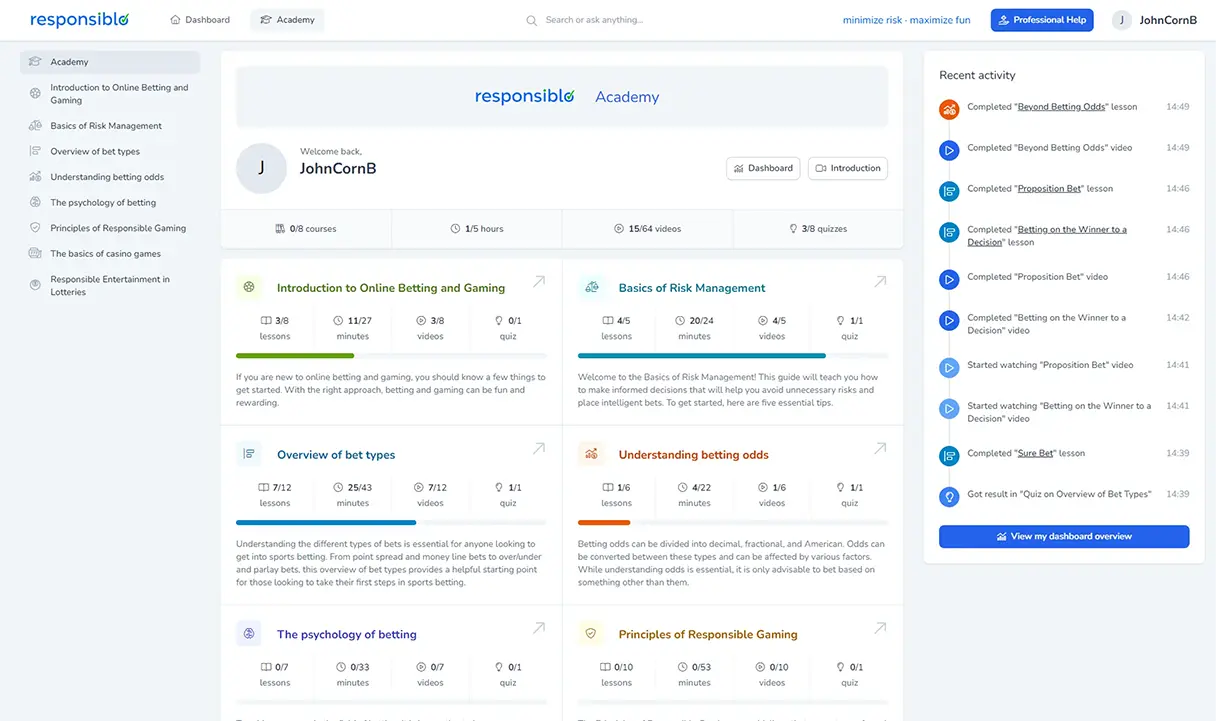
Education and awareness resources complement these interactive tools. By embedding short, digestible content about the risks of gambling and strategies for maintaining control, platforms can reinforce responsible behavior without disrupting entertainment. These resources might include infographics, short videos, or interactive quizzes that convey essential information in a format that is easy to engage with during natural breaks in gameplay. The key is to make these materials feel like an integrated part of the platform rather than an external or intrusive obligation.
Data-driven personalization further enhances responsible play integration. Platforms can analyze individual user behavior to identify patterns that may indicate risk, such as increasing session lengths, higher-than-normal stakes, or erratic betting patterns. When flagged, these insights can trigger contextually relevant interventions—like suggesting a pause, offering to adjust limits, or providing educational content—tailored to the user’s specific habits. Importantly, these interventions should respect user autonomy, offering support and options rather than imposing unilateral restrictions.
Social and community-based support options also contribute to a seamless responsible play experience. Integrating access to professional support services, peer forums, or advisory chatbots directly into the platform ensures that users can seek help without leaving the environment. A discreet, always-available support mechanism conveys that the platform is invested in user well-being while maintaining privacy and dignity. These systems can operate in tandem with behavioral analytics to offer proactive support for users who may benefit from external guidance.
Transparency in system operation reinforces trust, which is foundational to responsible play. Clear communication about odds, game mechanics, and payout structures helps users make informed decisions and sets realistic expectations. In addition, platforms should clearly indicate how responsible play tools function, what data is used, and how interventions are determined. This transparency reassures users that safeguards are fair, predictable, and designed for their benefit rather than arbitrary enforcement.
Ultimately, the seamless integration of responsible play features enhances not only player safety but also long-term engagement and platform reputation. By normalizing tools for self-assessment, limit-setting, education, and support within the natural flow of gameplay, platforms create an environment where responsible behavior is effortless and intuitive. Users are empowered to enjoy gaming experiences with confidence, knowing that the system is designed to support their well-being at every stage.
A fully integrated approach also allows operators to align business objectives with ethical standards. Platforms that prioritize responsible play demonstrate a commitment to sustainable engagement, reducing the risk of harm while fostering loyalty and trust. Rather than viewing these features as a compliance requirement, they become part of the core design ethos, enhancing the overall user experience.
Seamless responsible play requires continuous evaluation and adaptation. Platforms should regularly review user data, emerging behavioral trends, and regulatory developments to refine interventions and improve accessibility. Feedback mechanisms allow users to voice their experience with responsible play tools, ensuring that adjustments reflect real-world needs. By combining proactive support, intuitive interface design, personalized interventions, and transparent operations, digital gambling environments can offer engaging, enjoyable experiences without compromising user safety.
This integration transforms responsible play from an external obligation into a natural, embedded component of the user journey. When executed thoughtfully, it not only safeguards players but also strengthens trust, loyalty, and satisfaction, creating a platform that balances entertainment with ethical responsibility.
Seamless responsible play is not simply a feature set—it is a design philosophy that recognizes players as autonomous, informed participants while providing the tools, guidance, and support necessary to maintain control. It represents the convergence of technology, psychology, and ethical design, creating a gaming environment where fun and safety coexist harmoniously, and where every interaction reinforces the user’s confidence in both their choices and the platform itself.
By making responsible play intuitive, accessible, and engaging, platforms establish a sustainable ecosystem where users can enjoy gambling without fear of overreach or harm. This approach not only fulfills regulatory and ethical obligations but also contributes to long-term engagement, positive brand perception, and a healthier, more resilient user base.


Leave a Reply